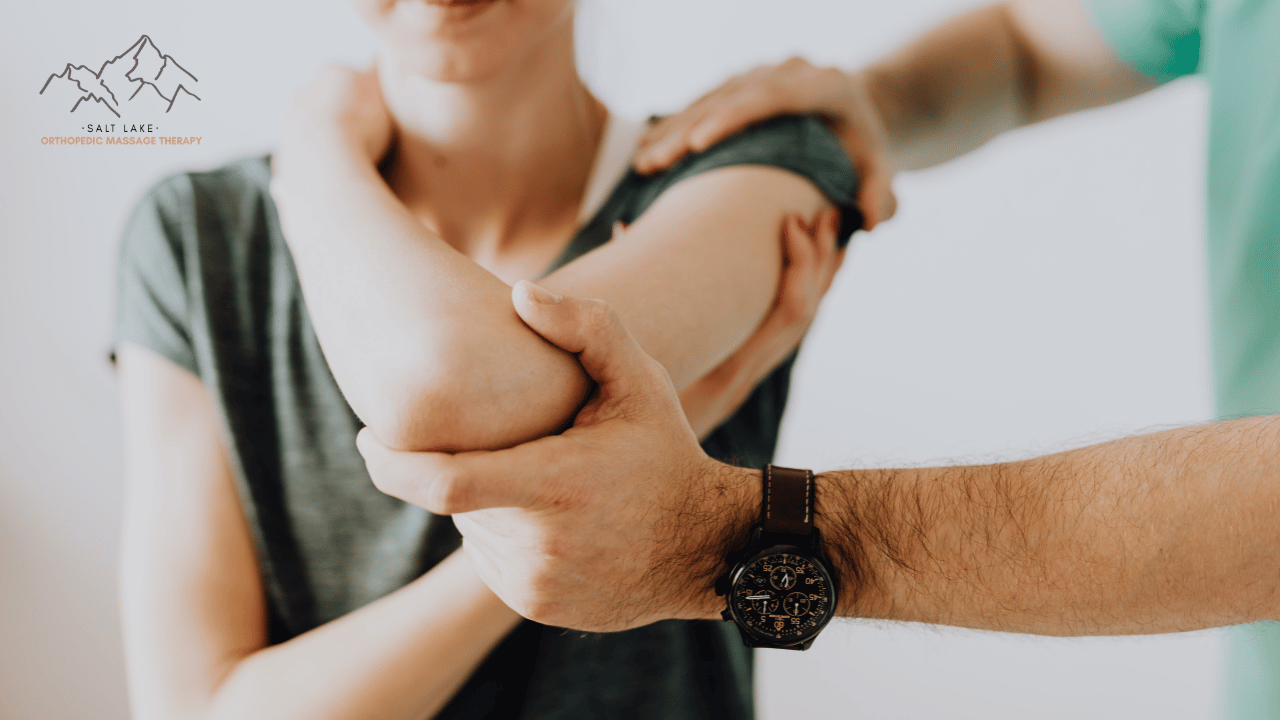
Orthopedic massage therapist Salt Lake City
Orthopedic massage is a clinical, evidence‑based therapy designed to treat musculoskeletal injuries, chronic pain, and post‑surgical rehabilitation. In Salt Lake City, where outdoor adventure and an active lifestyle are part of everyday life, a skilled orthopedic massage therapist can be the missing link between a lingering ache and full‑body performance. Our certified therapists combine deep‑tissue techniques, trigger‑point therapy, and corrective‑exercise coaching to reduce inflammation, improve joint range‑of‑motion, and accelerate healing. Whether you’re a skier, runner, weekend hiker, or simply dealing with everyday back or neck pain, our Salt Lake City clinic offers a personalized plan that gets you moving again—fast.
What Is Orthopedic Massage?
Orthopedic massage is a specialized form of therapeutic bodywork grounded in anatomy, biomechanics, and orthopedic assessment. It integrates:
Soft tissue manipulation
Myofascial release
Trigger point therapy
Muscle energy techniques
Neuromuscular therapy
Corrective stretching
Range-of-motion testing
Sports massage techniques
Unlike spa massage, sessions are structured around assessment → treatment → reassessment. The focus is on measurable improvement in pain levels, joint mobility, and tissue function.
If you’re searching for orthopedic massage in Salt Lake City, you’re likely dealing with chronic pain, a recent injury, postural strain, or limited mobility that hasn’t resolved with general relaxation massage. Orthopedic massage is a clinical, outcomes-focused approach to manual therapy that addresses the root mechanical causes of pain and dysfunction.
In a city like Salt Lake City, where residents balance desk work, skiing, climbing, trail running, CrossFit, cycling, and mountain sports, orthopedic massage provides structured, corrective treatment designed to restore function—not just temporarily ease tension.
What Can Orthopedic Massage Treat?
Orthopedic massage is particularly effective for musculoskeletal dysfunction, including:
Neck & Shoulder
Tension headaches
Forward head posture
Rotator cuff strain
Frozen shoulder
Thoracic outlet–related tightness
Back & Spine
Chronic low back pain
Sciatic nerve irritation
Disc-related muscular guarding
Postural strain from prolonged sitting
Scoliosis-associated muscle imbalance
Hip & Leg
Piriformis syndrome
IT band tension
Hamstring strains
Hip flexor tightness
Knee tracking dysfunction
Arm & Hand
Tennis elbow
Golfer’s elbow
Carpal tunnel–related soft tissue tension
Repetitive strain injuries
For active individuals in Salt Lake City’s outdoor culture, orthopedic massage is particularly useful in managing ski injuries, trail running overuse patterns, climbing shoulder strain, and cycling-related hip tightness.
The Benefits of Orthopedic Massage
Targeted Pain Relief
By identifying the exact tissue restriction or compensation pattern, orthopedic massage reduces pain at its mechanical source.
Improved Mobility and Range of Motion
Manual therapy combined with corrective stretching restores joint play and muscle length.
Faster Recovery from Injury
Enhanced circulation, decreased adhesions, and neuromuscular re-education support tissue healing.
Postural Correction
Structural bodywork helps unwind chronic patterns such as rounded shoulders, anterior pelvic tilt, and tech-neck.
Athletic Performance Optimization
Balanced musculature improves biomechanics, efficiency, and injury prevention.
Reduced Chronic Tension
When the structural cause is addressed, tension does not simply return after a few days.
What To Expect From Your Massage
A clinical orthopedic massage session typically includes:
Initial Assessment
Postural evaluation
Movement testing
Palpation of soft tissues
Pain pattern mapping
Treatment Phase
Focused soft tissue work
Specific muscle group release
Joint mobilization (where appropriate)
Active engagement techniques
Reassessment
Retesting movement
Measuring pain reduction
Establishing home-care recommendations
Sessions are interactive and outcome-oriented. You may be asked to move, breathe, or contract muscles during treatment to enhance neuromuscular integration.
Results You Can Celebrate
While outcomes vary depending on the condition and duration of dysfunction, clients commonly report:
Noticeable reduction in pain within 1–3 sessions
Improved range of motion
Better posture awareness
Increased strength and stability
Decreased flare-ups of chronic pain
Greater ease in daily movement
Chronic conditions often require a short treatment plan (usually 4–8 consecutive sessions), followed by maintenance or self-care exercises.
Why Choose Orthopedic Massage in Salt Lake City
Salt Lake City residents place high demands on their bodies—whether navigating mountain trails, long ski seasons, intense fitness regimens, or sedentary work environments. Orthopedic massage offers:
Non-invasive pain management
Drug-free musculoskeletal care
Complementary support alongside physical therapy or chiropractic
Faster return to activity
It’s particularly valuable for professionals who need to remain active and productive without ongoing discomfort.
Is Orthopedic Massage Right For You?
Orthopedic massage may be appropriate if you:
Experience chronic muscle or joint pain
Have limited mobility in a specific area
Are recovering from a sports injury
Sit for extended periods
Feel “out of alignment”
Want structured, results-driven bodywork
If you’re unsure whether orthopedic massage is appropriate, a consultation can help determine the best course of care.
If you’re ready to address the root cause of your pain and restore functional movement, orthopedic massage offers a precise, clinically grounded solution.
Schedule your orthopedic massage in Salt Lake City today and take the next step toward lasting structural relief and optimized performance.